About Land of Nerds
We're a group of nerds transforming 10 acres in Lancaster, CA. 5 acres of regenerative agroforestry/experimentation, 5 acres of ecological preservation and restoration.
Impact, tracked in the open
We post our numbers and receipts. These stats update after each build day.
Trees planted
65
As tracked in our plant inventory
Gallons captured
0
Based on project water capture metrics
Volunteer hours
300
Logged from completed volunteer shifts
Who I Am & My Goal
A personal mission to transform desert land into a thriving ecosystem
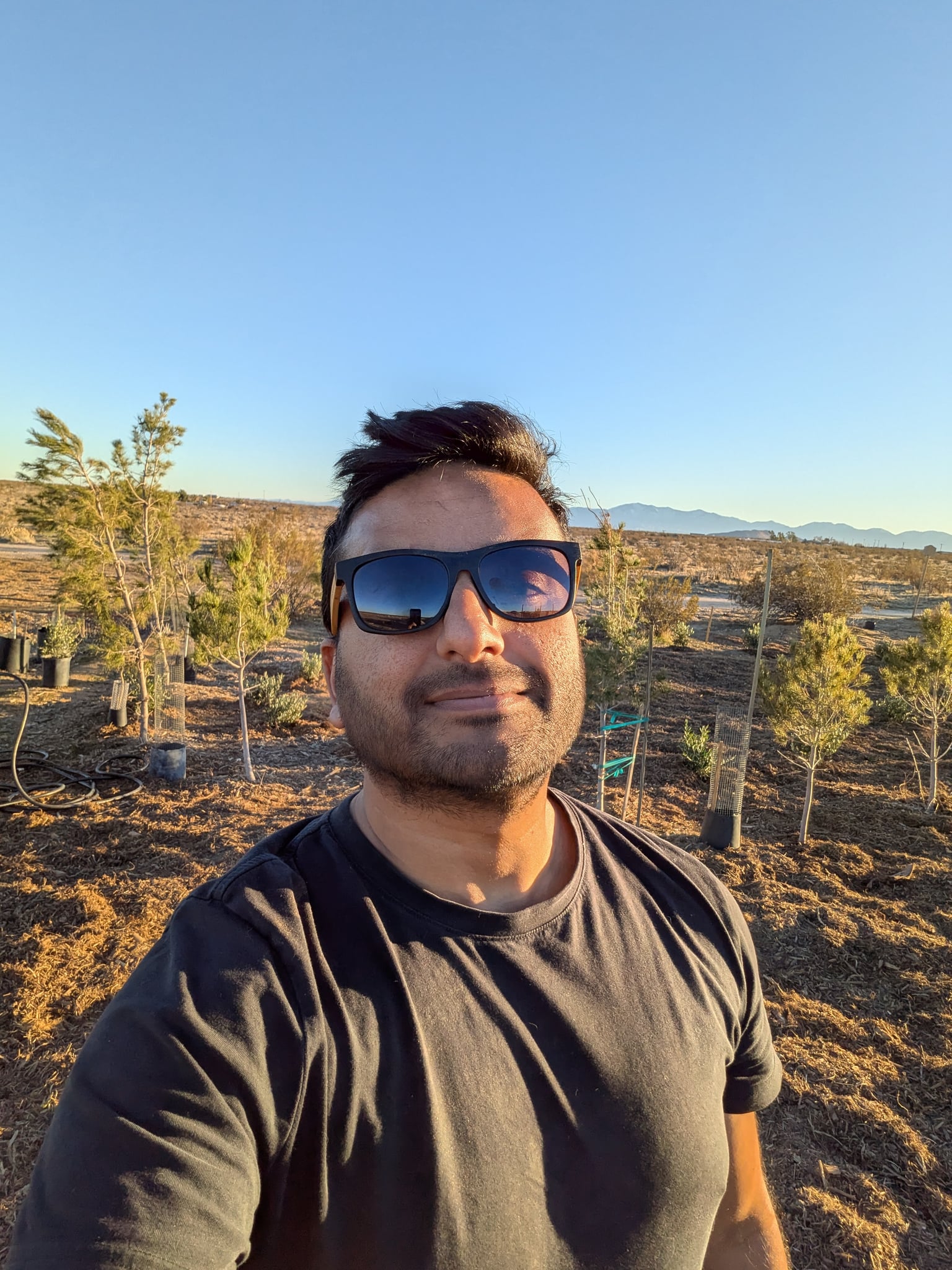
I'm a software engineer, permaculture enthusiast, Angeleno, and someone who believes that with the right approach, we can turn even the harshest environments into productive, life-sustaining ecosystems.
My goal is simple but ambitious: transform 10 acres of high-desert land in Lancaster, California — dedicating 5 acres to regenerative agroforestry and 5 acres to ecological preservation and restoration. This isn't just about planting trees—it's about demonstrating that with permaculture principles, water harvesting, and community support, we can build resilient ecosystems and sustainable food systems even in challenging climates.
I believe in transparency, data-driven decisions, and building in the open. Every tree planted, every gallon of water captured, and every dollar spent is tracked and made public. I also want to release the research to the public and have other nerds use it to build their own agroforests. This project is as much about education and inspiration as it is about food production.
The Journey: 5 Years of Learning
Every failure taught us something. Every success validated our approach.
Hard-Earned Lessons
What Failed
Theft & Security
A 3,000 gallon tank, shed, and tools were stolen. Lesson: Cameras and presence are non-negotiable.
Water Sourcing Reality
Delivery from local wells is costly and restricted. Lesson: Use county water or harvest purely from rain/swales.
Wrong Season Planting
Planting in Spring/Summer fried the plants. Lesson: Always plant in Fall to let roots establish before summer heat.
Cob Construction
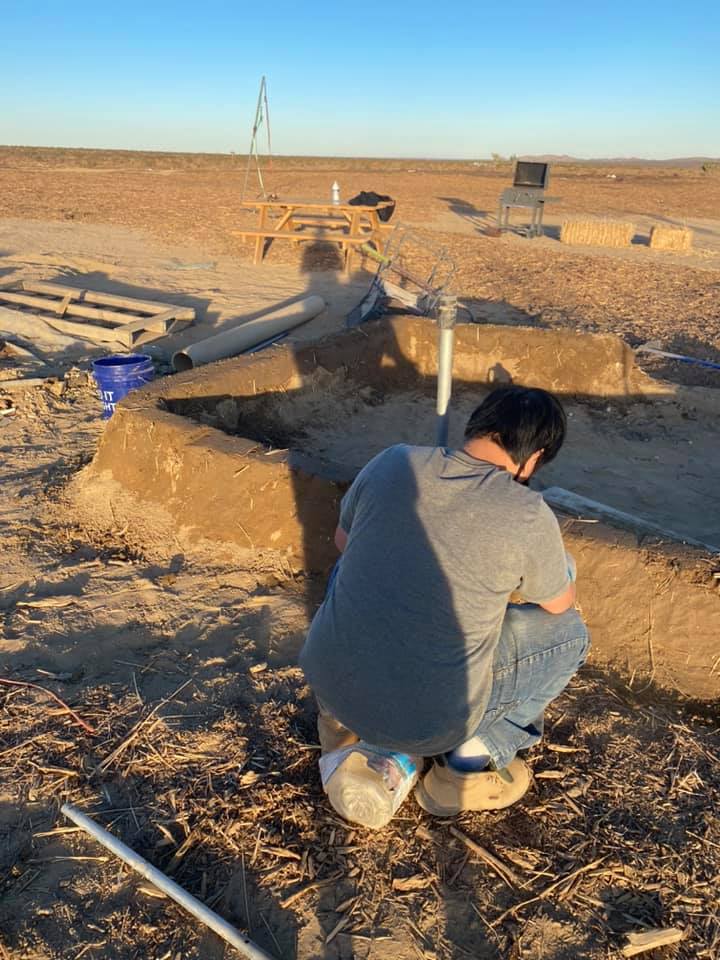
Incredibly labor intensive for a shed. Lesson: Use brick methods covered in cob for efficiency + insulation.
County Regulations
Fines for mulch height and "waste". Lesson: Pre-approve everything with the county. Neighbors will report you.
What Worked
Deep Mulching
5 acres of mulch retained massive soil moisture. Win: Plants survived 110°F heat with minimal water.
Native Support Species
Planting hardy natives first sheltered the fruit trees. Win: Created microclimates that reduced wind stress.
Community & Open Source
Opening the gates brought 300+ volunteer hours. Win: Knowledge sharing accelerated our progress 10x.
Data-Driven Gardening
Tracking every plant's health status. Win: We stopped buying species that statistically died 80% of the time.
Where We Are Now
The current state of the land and what we've built so far
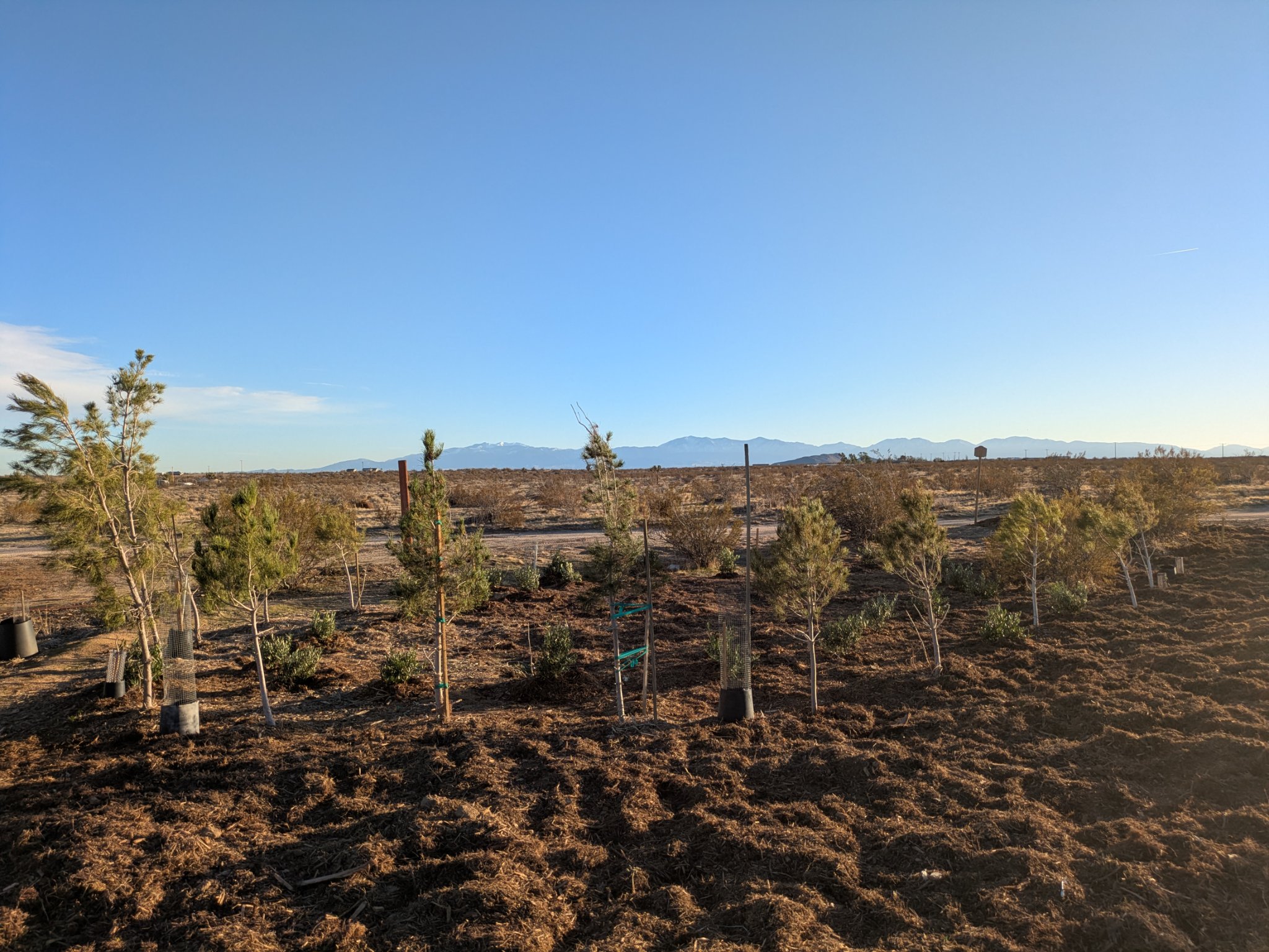
Today, the land shows real progress. Our plant inventory includes over 60 trees and counting, with a focus on drought-tolerant fruit trees and native support species. The soil is improving year over year as we add organic matter through composting and mulching.
We've built a community of volunteers who regularly contribute their time and expertise. The transparent ledger system tracks every donation and expense, building trust and accountability.
The infrastructure is in place: water systems, soil building programs, and a clear process for adding new plants. But we're just getting started. The real transformation happens over years and we're committed to the long-term vision.
The People Who Made It Happen
This project wouldn't exist without the generous support of our volunteers and donors. Thank you.
Key Volunteers
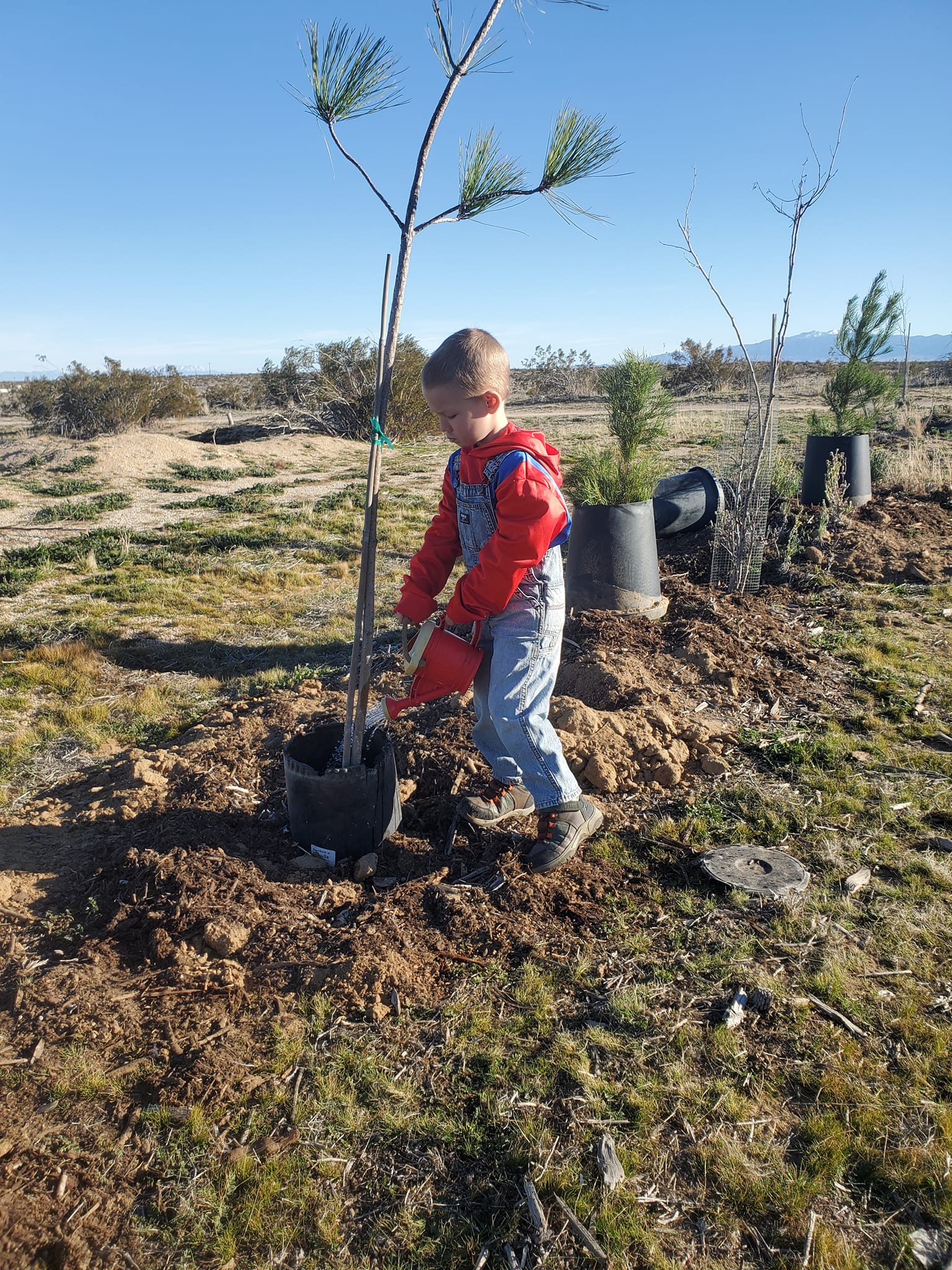
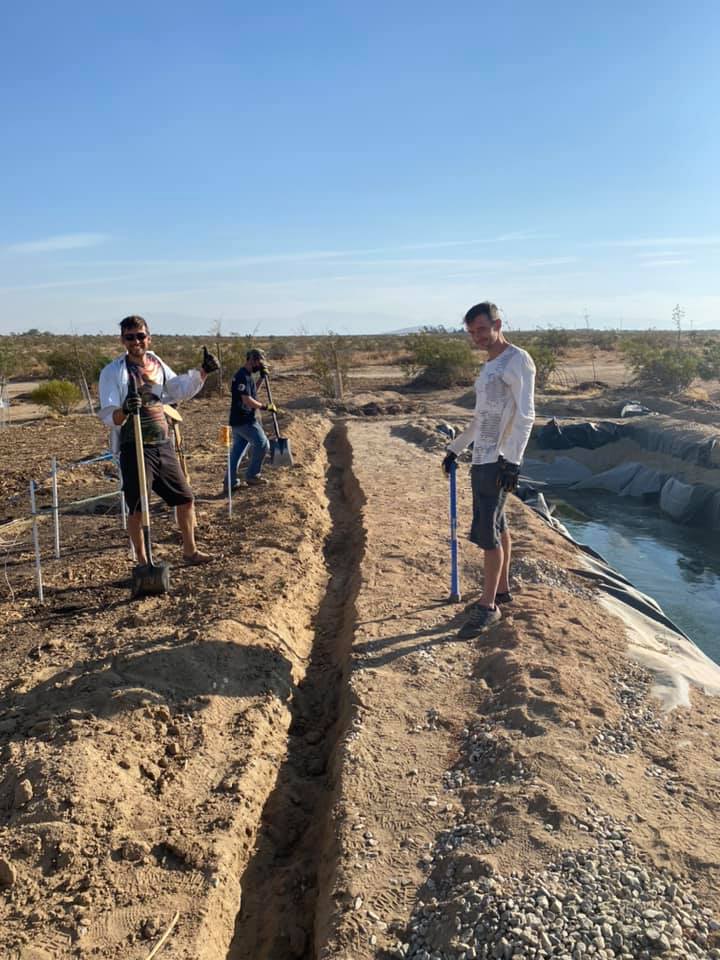
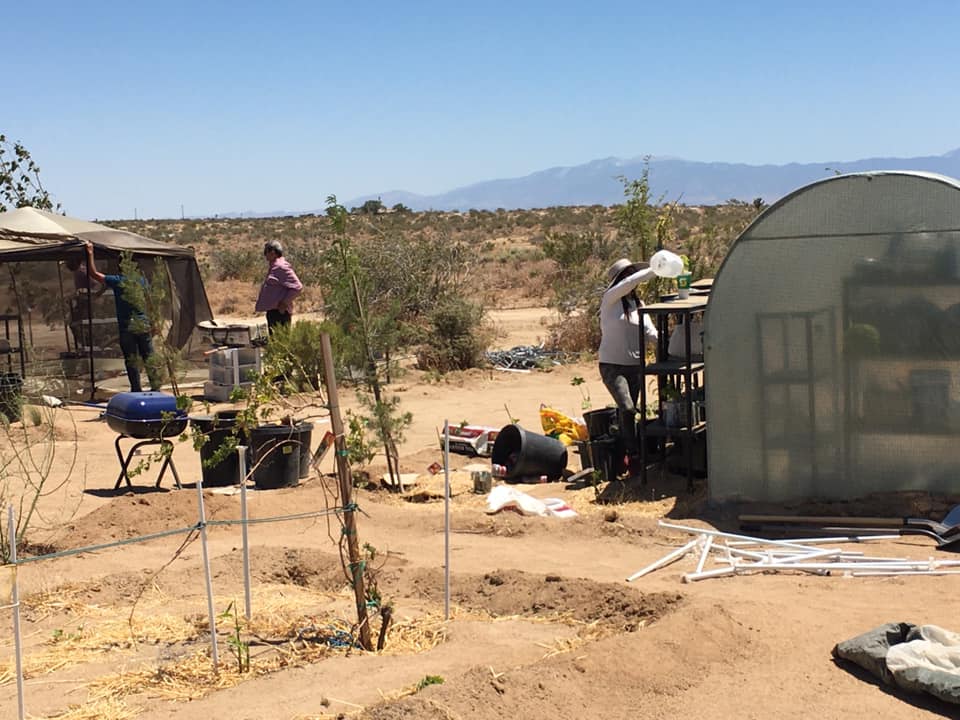
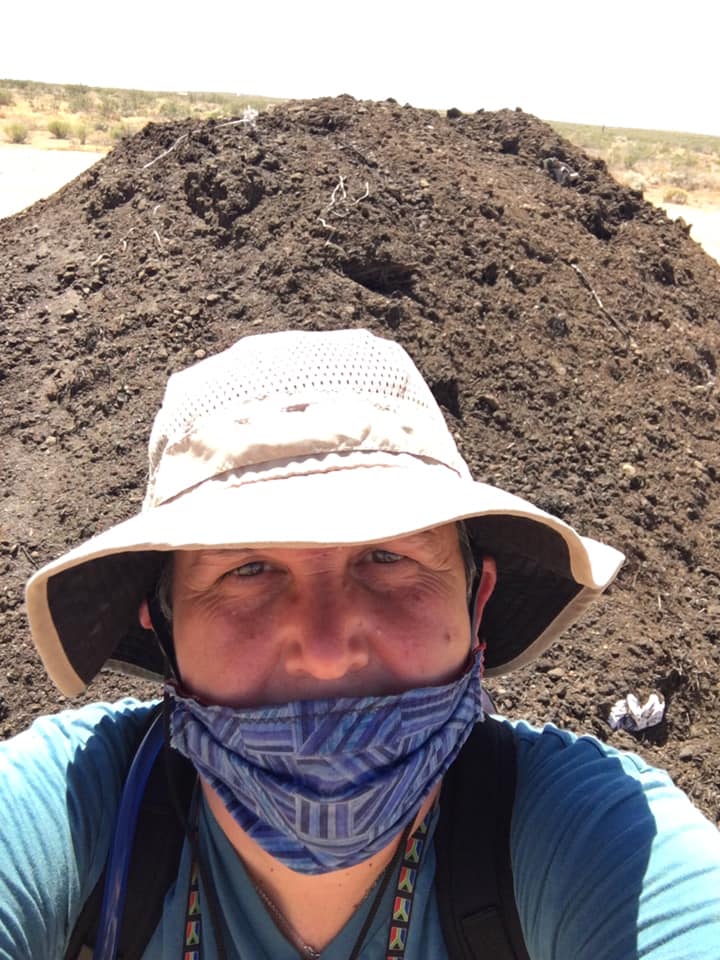
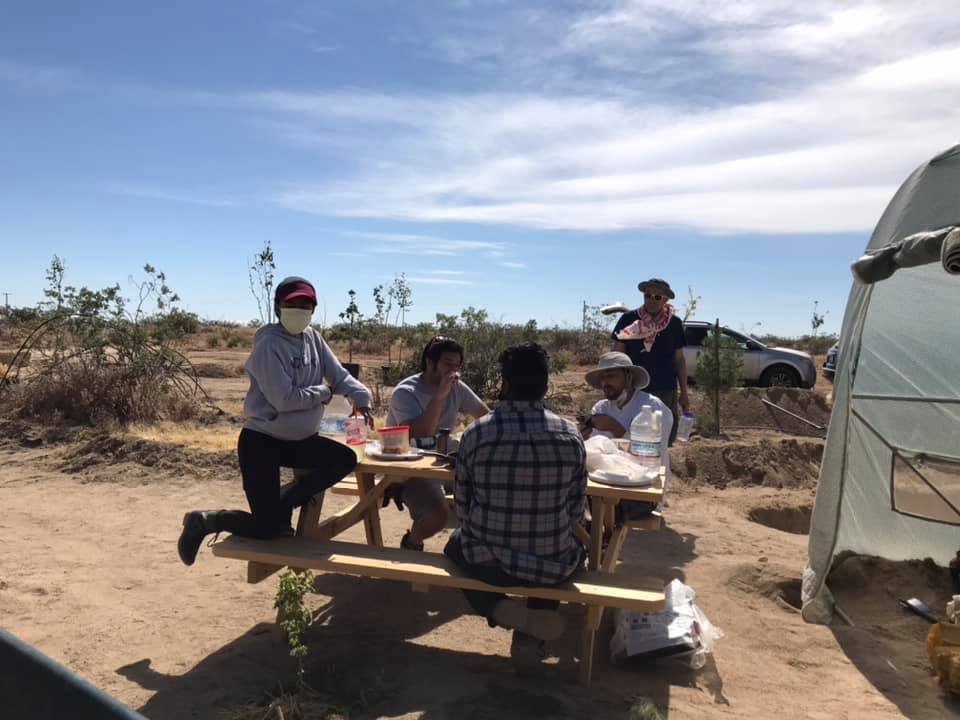
To everyone who has braved the desert heat, shoveled mulch, and planted trees—your sweat equity is the foundation of this forest.
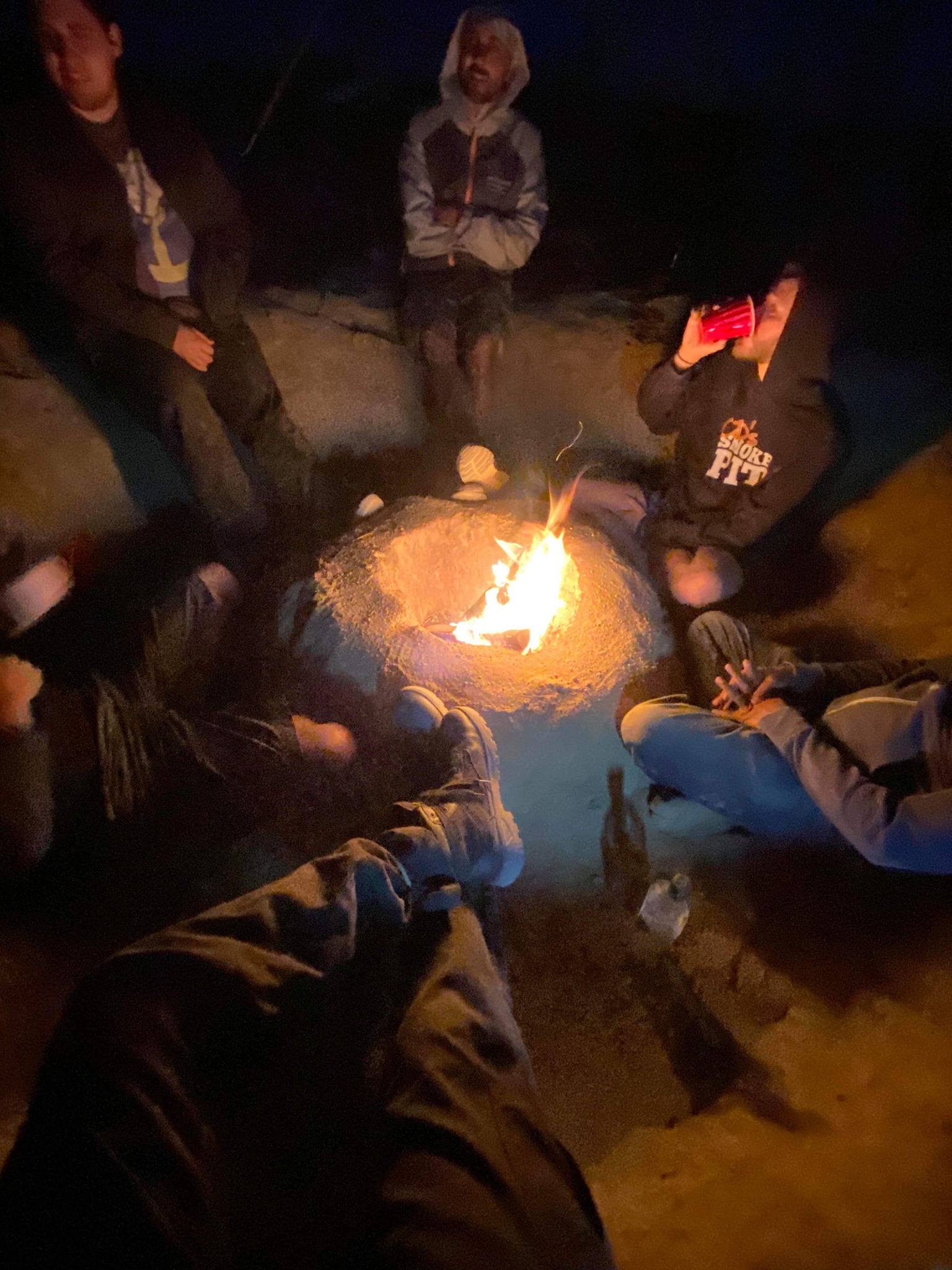
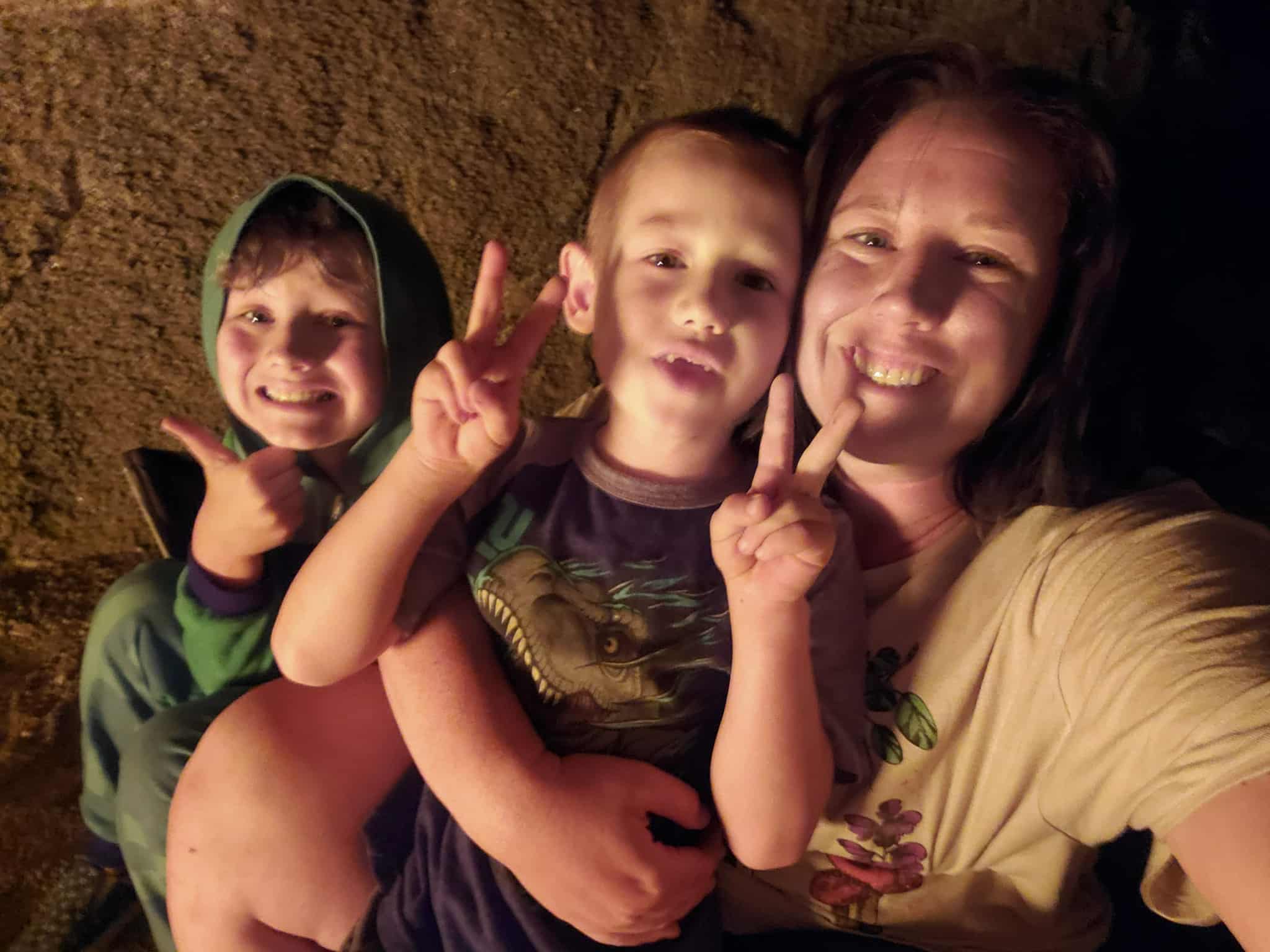
Moments from the field
1762059120350-00100sPORTRAIT_00100_BURST20200625162631920_COVER
1764658177809-506184654_10238159934405315_5170036310538590091_n
1764658179488-487368862_3676875012602357_7842174010702158855_n
1764658180429-128784216_2568505776772625_6629567564845898016_n
1764658181249-122073517_2532186250404578_7178390046241129370_n
1764658181963-106956595_3214239155285962_2706224938058880297_n
1764658182785-106588341_3214238825285995_2217446498694741926_n
1764658183607-104732058_10158358467751838_4967504746543701230_n
1764658184165-100733384_2420622634894274_1255399450059210752_n
d416d660-b708-4e4d-97b4-4c309531fc81
Generous Supporters
Thank you to those who have funded trees, water systems, and infrastructure. Your financial support turns plans into reality.
Our Growing Forest
Every plant tracked, from seedling to established tree
65
Total Plants
4
Varieties
62
Thriving
34
Fruit Trees
Biodiversity Breakdown
The 2030 Vision
We are creating a self-sustaining ecosystem that will outlive us.
Regenerative Agroforestry
5 acres of multi-layered food-producing trees, perennial vegetables, and native pollinators — plus 5 acres dedicated to ecological preservation and habitat restoration.
Water Neutral
Capturing 100% of rainfall via earthworks and swales, storing enough in the soil aquifer to survive 2-year droughts without municipal water.
Open Blueprint
A fully documented, replicable model that ANYONE can copy to start their own desert agroforestry project for under $5,000.
Community Hub
A permanent space for weekend workshops, free harvest days for locals, and educational field trips for schools.
Climate Ark
A "living bank" of seeds and genetics specifically adapted to extreme heat, ready for a hotter future climate.
Ready to Get Involved?
Whether you want to volunteer your time or fund specific projects, there are many ways to help grow the project.